Understanding Jueteng: A Cultural and Social Phenomenon
Jueteng, a number game deeply rooted in Filipino culture, presents a fascinating study of social dynamics and informal economies. Despite being illegal, jueteng continues to thrive across many provinces in the Philippines. To grasp its enduring appeal and intricate structure requires exploring its history, mechanics, and the societal factors that sustain it.
The Historical Roots of Jueteng
Jueteng is believed to have its origins in the Spanish colonial period. Imported from China, the game evolved into a localized version, deeply entrenched in the community fabric. Over time, jueteng adapted to the local environment, resisting both legislative bans and attempts at formal regulation.
The Mechanics of Jueteng
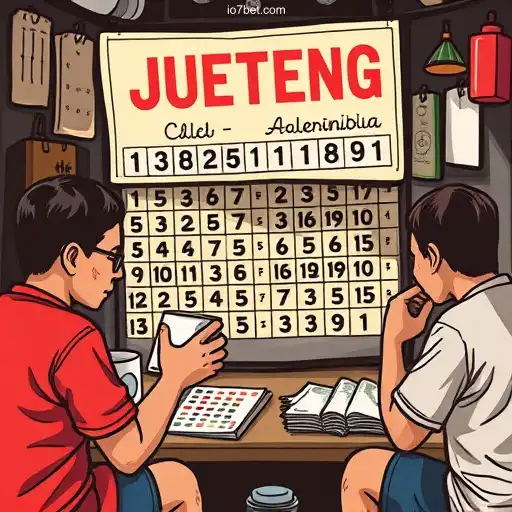
Unlike other forms of gambling, jueteng operates on a grassroots level. In a typical setup, bettors choose a combination of two numbers ranging from 1 to 37. Bets are collected by ‘kubradores’ or runners, who pass them on to the organizers. The draw often utilizes rudimentary methods, adding an air of suspense and authenticity. Winners are determined by a daily draw, with a payout structure that appeals to both small-time bettors and larger investors seeking quick rewards.
The Allure and Appeal of Jueteng
Jueteng’s persistence can be attributed to several factors. First, it provides economic opportunities in impoverished areas where formal employment is scarce. The game employs a whole ecosystem of collectors, coordinators, and operatives who rely on it for their livelihood. Secondly, jueteng embodies a social aspect, acting as a community activity where participation bridges social divides.
Regulation Attempts and Continuing Challenges
Throughout history, various administrations have attempted to combat jueteng, deeming it a corrupt practice. Despite these efforts, like the implementation of the Philippine Charity Sweepstakes Office (PCSO) and small-town lottery (STL), the game persists. The challenges in regulation lie in deeply entrenched networks often protected by local officials who benefit directly from its proceeds.
The love for risk and reward in jueteng transcends generations. Its complex informal networks and community structures prove difficult for law enforcement agencies to dismantle, highlighting the need for innovative legal approaches and socio-economic strategies.
Legal Gambling Alternatives: Io7.bet Cassino Online Licenciado
As nations grapple with illicit gambling operations, regulated alternatives like Io7.bet cassino online licenciado com 2.500+ jogos certificados, bônus R$ 5.000🍀, grow in appeal. These platforms offer a lawful and structured environment for enthusiasts who seek the thrill of gambling without its legal repercussions. With a rich array of games and substantial bonuses, online casinos are becoming a go-to choice for those looking for entertainment and the potential for financial gain.
Interestingly, platforms like Io7.bet reflect a global trend where traditional forms of gambling move towards digital landscapes, providing accessibility and structured play. Regulation in this space ensures ethical practices, further boosting public confidence in these platforms. As technology progresses, these online alternatives might play a crucial role in reducing reliance on illegal gambling.
Conclusion
In understanding jueteng, one must appreciate its socio-economic impact, cultural significance, and the challenge it poses to lawmakers. While the game is wrapped in controversy, it is undoubted that it fulfills a societal role that formal institutions have struggled to replace. Legal alternatives such as online casinos offer potential pathways to channel this intrinsic love for games into more productive and legal avenues, perhaps pointing a way forward in the complex landscape of gambling. The persistence of jueteng is a testament to its ingrained status in Filipino culture, highlighting the broader implications for policy and society at large.